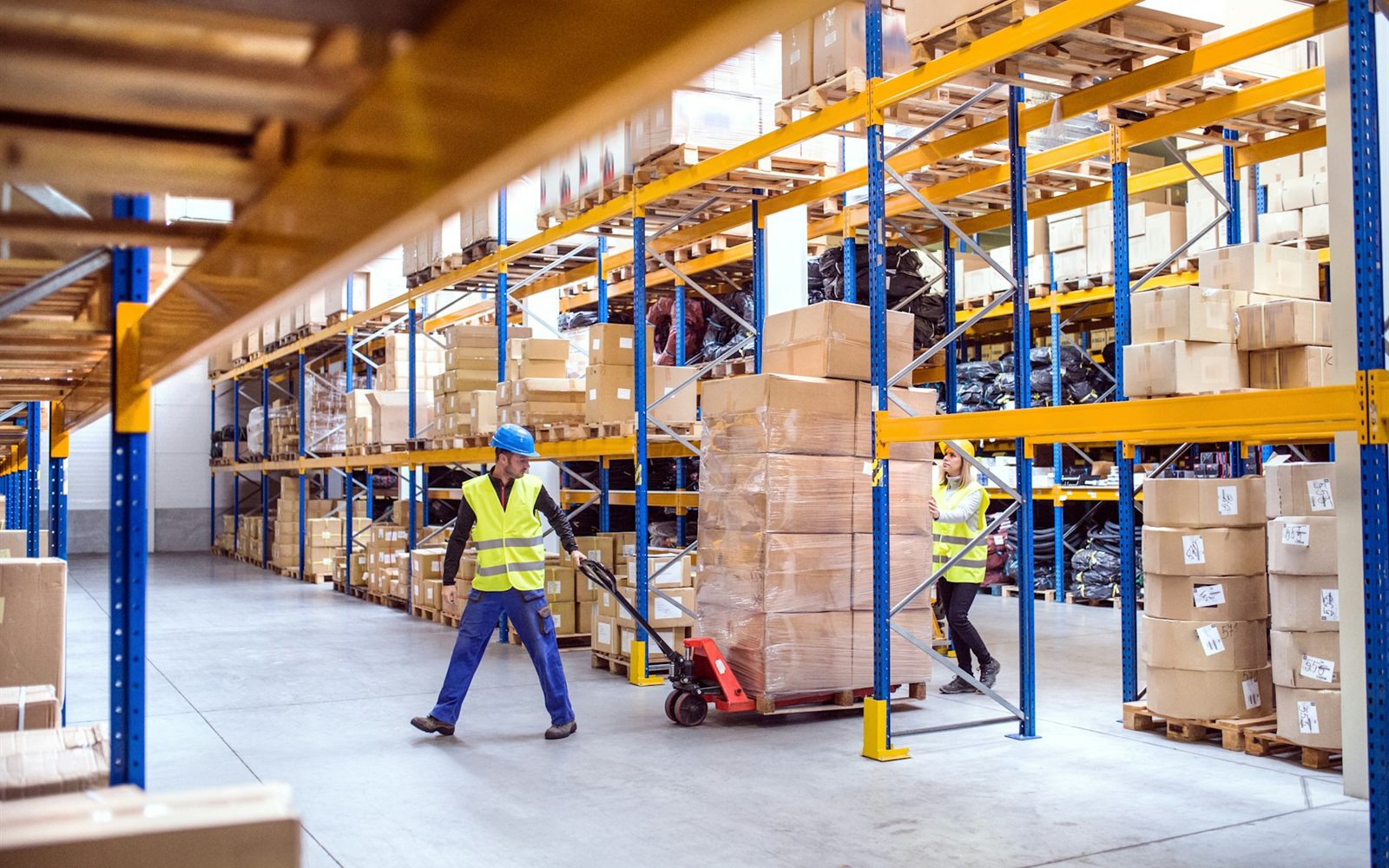
The USMCA review in 2026 is accelerating something that was already moving. Corporate buyers across North America are rebuilding supplier networks toward regional manufacturers. Companies that spent years sourcing from distant markets are looking closer. And the geography they're looking at includes Arizona, Texas, and California.
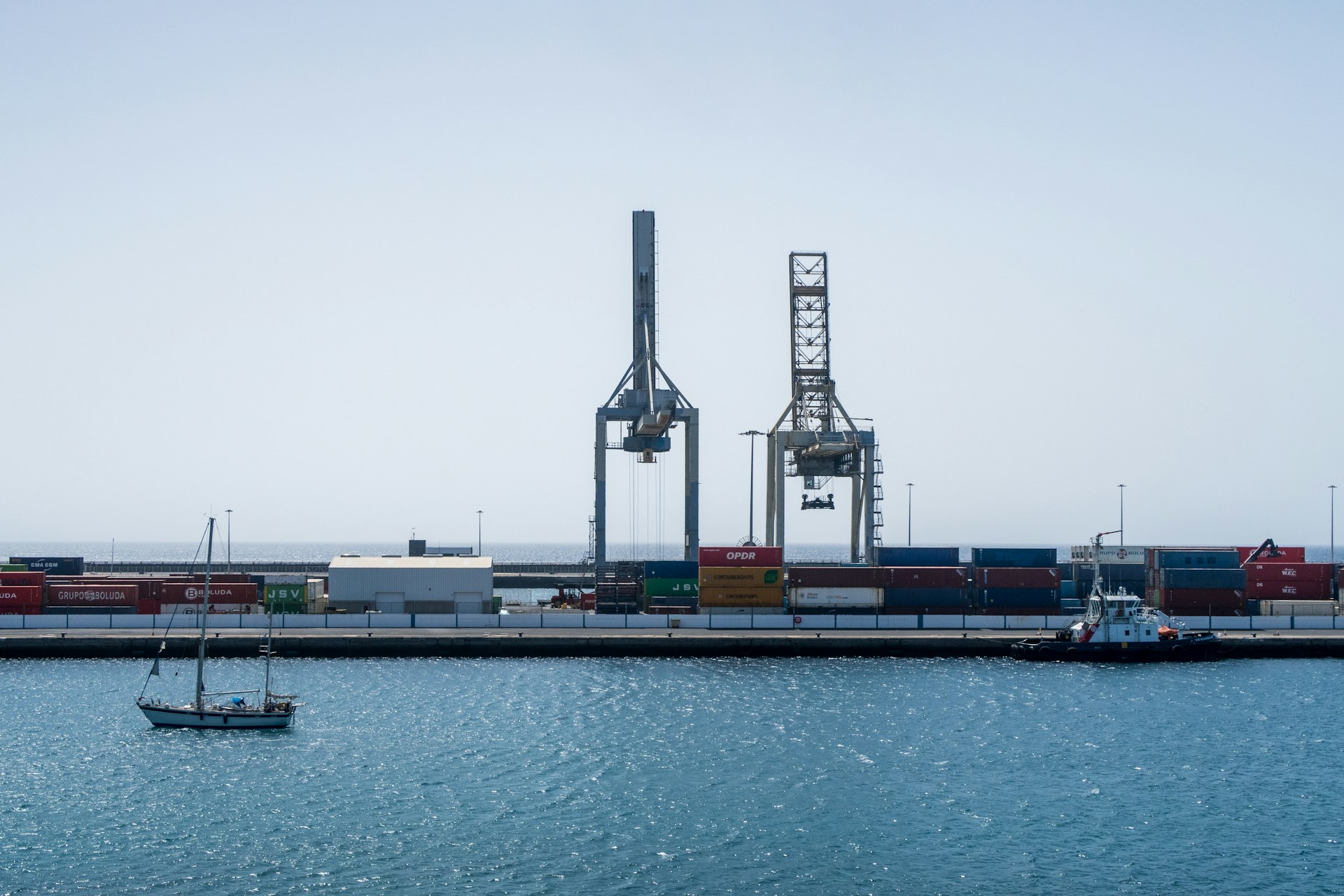
For Latino-owned manufacturing companies in the Sun Belt, this is the specific context of 2026. Not a general trend you read about in an industry report. An active procurement shift, with real sourcing decisions being made right now by real buyers who need what you produce and are building their shortlists before they ever make contact.
80% of the B2B buying decision is shaped by self-directed research before any vendor contact happens. The procurement manager evaluating new regional suppliers doesn't start with calls. She starts with research. She builds a list from what she found, not from who called her. The suppliers on her list are the ones whose digital presence was built to be found in AI engines, in structured procurement platforms, in the industrial directories buyers use to do sourcing research.
A market that isn't holding still
58% of B2B buyers switched vendors in the last six months. That reflects a real movement, not a stable market. Supplier relationships that seemed permanent are being re-evaluated. New suppliers are being considered for roles that used to belong to someone else. The companies capturing attention during that re-evaluation aren't necessarily the ones with the longest history in the market. They're the ones who appear when a procurement manager runs a search.
For Sun Belt manufacturers with Latino founders and cross-border operational fluency, the structural advantages in this moment are real. Geographic proximity to the US distribution network. USMCA compliance. Operational experience in industries that serve North American supply chains. Bilingual capability in a procurement environment where supply chain relationships run across the border. That combination isn't common. And buyers building regional supplier networks are actively looking for exactly that combination.
But those advantages only reach buyers who can find you. The procurement research process is digital. It runs through AI interfaces and sourcing platforms before any human contact occurs. Being a strong operation and being invisible to that infrastructure aren't mutually exclusive. Both can be true at the same time. And changing the second one is an infrastructure problem, not a quality problem.
The window is open. The sourcing decisions being made right now will shape supplier relationships for years. The companies on the first shortlist become the ones on the renewal. And that first shortlist is built from digital research, not from introductions at a trade show.
Frequently asked questions
What is changing with the USMCA review in 2026?
Corporate buyers are rebuilding supplier networks toward regional North American manufacturers, including Arizona, Texas, and California.
What does it mean for a Sun Belt manufacturer?
That the evaluation window is open now, and entry depends on what public sources support about the operation.
What do those buyers review?
Capacity, certifications, data consistency, and bilingual operation, all verifiable without prior contact.