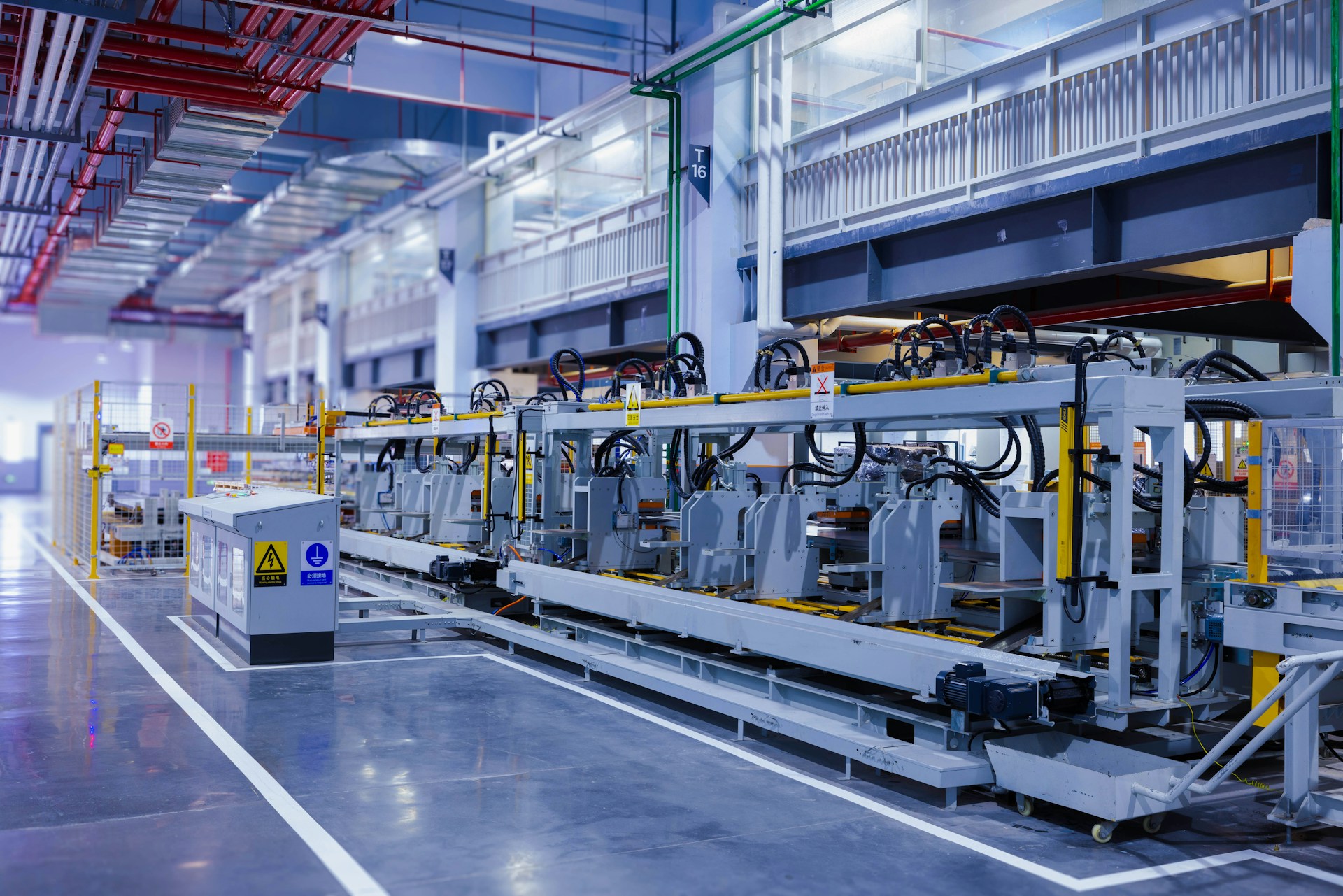
Three CNC lines. A backup generator that's actually tested, not just installed. A second shift that can go live inside a week if an order calls for it. None of that is on the website. It's on the floor, in the maintenance logs, in the schedule your ops manager keeps in her head.
The buyer evaluating your operation is not touring that floor before she builds her shortlist. She's checking what's public: your site, your directory listings, whatever a search or an AI summary surfaces about your capacity. If the redundancy you built isn't documented where she's looking, it doesn't factor into her evaluation. Not because it isn't real. Because it isn't verifiable from where she's standing.
B2B buyers use an average of 10 different touchpoints across a purchase, and the three most-used are a company's website, in-person sales conversations, and video conferences. The website isn't a background asset that gets glanced at once. It's one of the three places a buyer actually returns to while she's forming her decision, which means whatever it's missing gets noticed more than once.
The redundancy nobody can see
Public commercial information isn't marketing copy. It's the operational facts a buyer needs confirmed before she'll trust you enough to pick up the phone: backup capacity, shift capacity, equipment specifications, service radius, certifications with dates attached. Most industrial companies underdocument exactly this, not because they're hiding anything, but because it's the part of the business that never needed a page before AI-driven evaluation made it load-bearing.
Capacity that isn't documented isn't capacity a buyer can rely on. It's a rumor.
The gap that costs you the shortlist
69% of B2B buyers report inconsistencies between a company's website and what its sellers tell them directly. Most of the time, that gap runs the direction you'd expect the least: companies undersell their own operation online, which reads to a buyer not as modesty but as risk. If the website says less than what's true, the buyer has no way to know that. She only knows what she can see.
And she's rarely evaluating alone. 89% of B2B buying decisions cross multiple departments. Operations checks your cycle times. Quality checks your certifications. Finance checks your stability signals. Each one is looking for a different fact, independently, without calling you first, which means the information has to hold up in five different directions at once, not just one.
What public commercial information actually covers
- Facility capacity and redundancy: lines, shifts, backup systems
- Certifications and compliance documentation, with current dates
- Service area and delivery capability
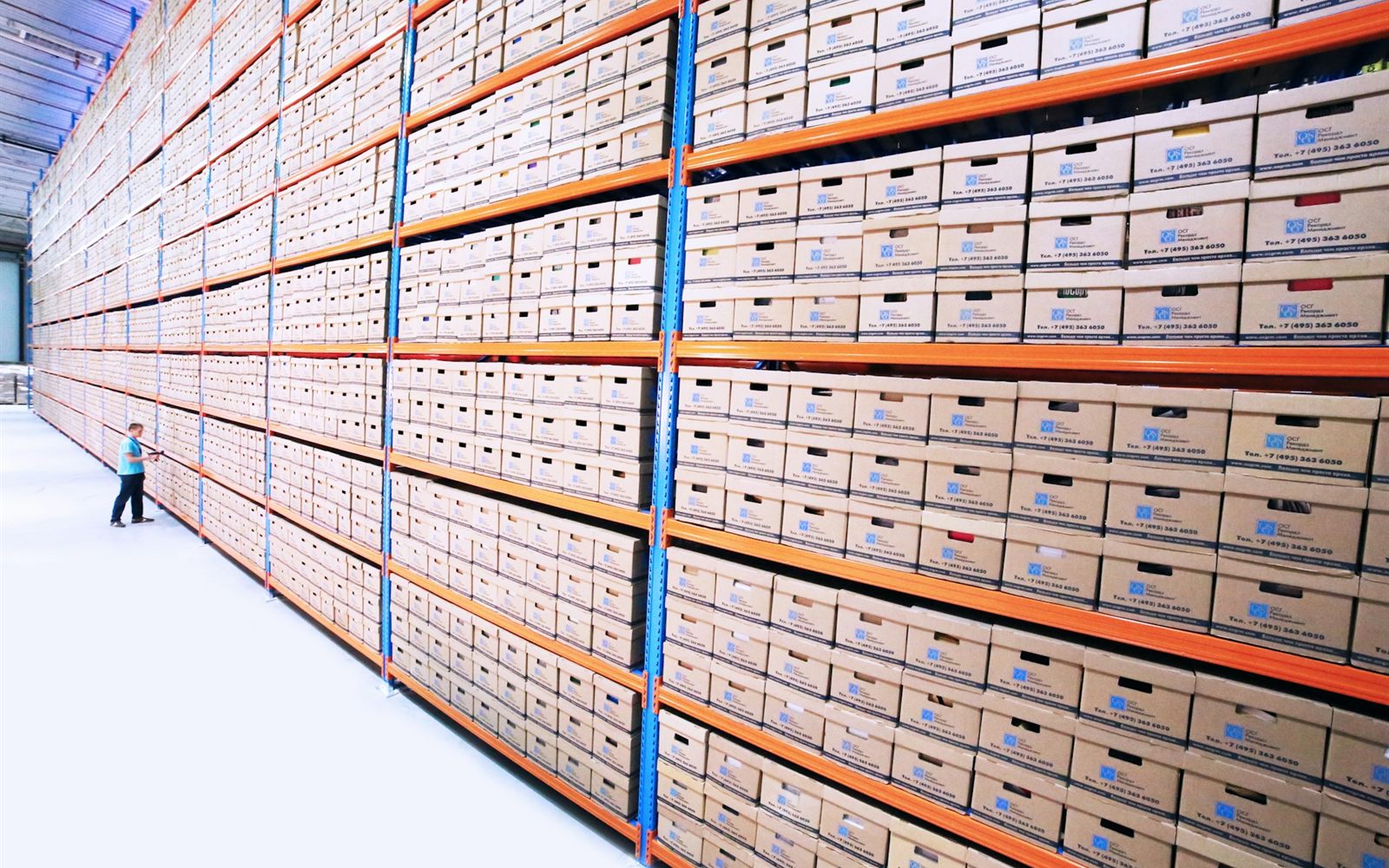
- Real operational evidence: your actual facility, your actual process, not stock imagery
The fix isn't more marketing
The fix isn't a more inspiring website. It's a more legible one: translating what's already true on your floor into a form a buyer's evaluation process can actually verify, before anyone picks up the phone.
Your capacity is real. The question is whether it's legible before anyone calls to check.
Frequently asked questions
What is operational redundancy to an evaluator?
Production lines, backup power, and shifts that can be activated, capacity the operation can demonstrate.
Why isn’t having it enough?
Because the evaluation runs on what is public and verifiable; what lives only on the shop floor or in internal logs never enters the decision.
How does it become verifiable?
By documenting it where the evaluator reviews: your website, your profiles, and public sources that are consistent with each other.